Daycare and Childcare Facility Cleaning Standards in New Jersey
Childcare facilities require the highest cleaning standards to protect the health and safety of children, who are more vulnerable to illness and environmental hazards. New Jersey has specific regulations that daycare centers must follow to maintain their licenses.
NJ Licensing Requirements for Cleanliness
New Jersey's Department of Children and Families (DCF) mandates:
- Daily cleaning and sanitizing of all surfaces children contact
- Proper disinfection protocols for diaper changing areas
- Clean and sanitary food preparation and serving areas
- Regular cleaning of toys, play equipment, and learning materials
- Documented cleaning schedules available for inspection
Age-Specific Cleaning Considerations
Infant Areas
- Surfaces must be sanitized after each use and between children
- Cribs and sleep areas cleaned and disinfected daily
- Diaper changing stations disinfected after every change
- Bottles and feeding equipment sterilized properly
- Floor surfaces maintained for crawling safety
Toddler Areas
- Frequent sanitization of toys that go in mouths
- Bathroom and potty-training areas cleaned continuously
- Art and activity tables sanitized between groups
- Outdoor play equipment cleaned regularly
- Sand and water play areas maintained per health guidelines
Preschool Areas
- Shared learning materials cleaned daily
- Computer and technology stations sanitized between users
- Nap mats and bedding laundered weekly minimum
- Dramatic play and dress-up items washed regularly
- Science and sensory materials monitored for contamination
Critical Cleaning Areas
Kitchen and Food Service
- Follow NJ health department food safety standards
- Clean and sanitize all food contact surfaces before and after use
- Refrigerator temperatures monitored and logged
- Dishwashing procedures meet sanitization requirements
- Waste disposed of in covered containers emptied daily
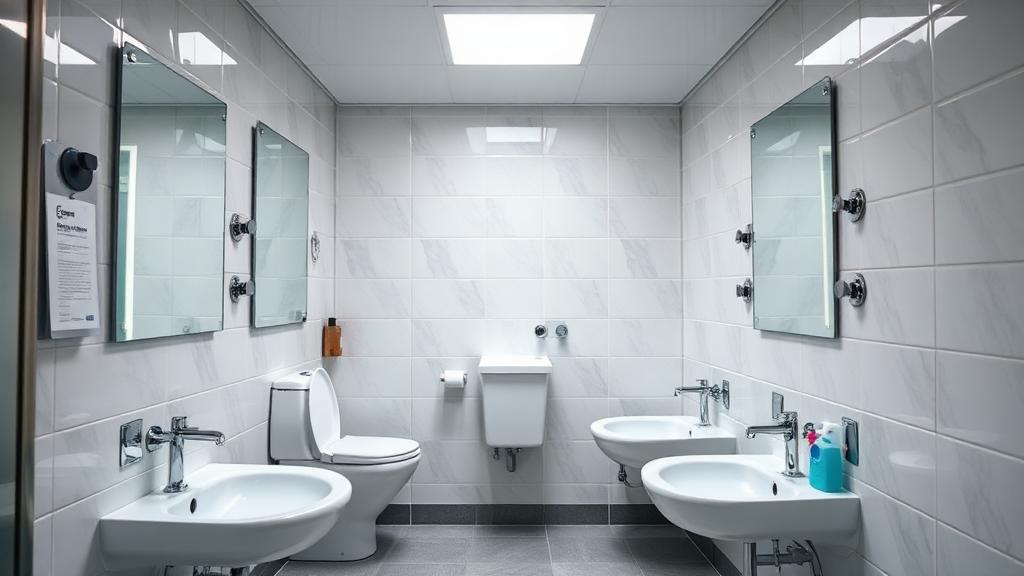
Restrooms and Diaper Areas
- Cleaned and disinfected multiple times daily
- Hands-free fixtures reduce cross-contamination
- Child-height fixtures maintained and sanitized
- Proper PPE used during diaper changes
- Soiled items stored separately and removed promptly
Indoor Play and Learning Spaces
- Soft surfaces vacuumed daily and deep cleaned monthly
- Hard surfaces mopped with child-safe disinfectants
- Air quality maintained through proper ventilation and filtration
- Clutter minimized to facilitate thorough cleaning
- Allergen management protocols in place
Outdoor Play Areas
- Equipment inspected and cleaned regularly
- Surfaces checked for hazards before daily use
- Sandboxes covered when not in use and replaced periodically
- Fencing and boundaries maintained for safety
- Seasonal cleaning adjustments for weather conditions
Choosing the Right Cleaning Products
For childcare environments, product selection is critical:
- EPA-registered disinfectants approved for childcare use
- Low-toxicity, fragrance-free formulations
- Products that meet CDC guidelines for childcare settings
- Green Seal or EPA Safer Choice certified options preferred
- Proper dilution and application following manufacturer instructions
Staff Training Requirements
Cleaning staff in childcare facilities need specialized training:
- Bloodborne pathogen awareness and response
- Proper use of PPE during cleaning and disinfection
- Child-safe cleaning product handling
- Emergency spill and contamination response
- Documentation and reporting procedures
Illness Outbreak Response
When illness outbreaks occur, enhanced protocols are necessary:
- Increase disinfection frequency of all surfaces
- Focus on high-touch areas with EPA-registered disinfectants
- Isolate affected areas if possible during cleaning
- Coordinate with health department on specific pathogen protocols
- Communicate cleaning measures to parents and staff
Documentation and Compliance
Maintain thorough records for licensing inspections:
- Daily cleaning checklists with staff signatures
- Product safety data sheets (SDS) for all chemicals
- Staff training records and certifications
- Inspection results and corrective actions
- Cleaning product inventory and usage logs
Conclusion
Daycare and childcare facility cleaning goes far beyond typical commercial cleaning. The health and safety of children depends on rigorous, consistent cleaning protocols that meet New Jersey's strict licensing requirements. Partnering with a cleaning service experienced in childcare environments ensures compliance, protects children, and gives parents peace of mind.