Office Disinfection Services: Keeping Workplaces Safe from Germs and Viruses
Modern office disinfection services represent a critical component of workplace health and safety, particularly in light of evolving pathogen threats and increased awareness of infectious disease transmission. Professional disinfection goes beyond traditional cleaning to target bacteria, viruses, fungi, and other microorganisms that pose health risks to employees, clients, and visitors in commercial environments.
Understanding Office Disinfection vs. Regular Cleaning
The Science of Disinfection
Professional disinfection involves specific protocols designed to eliminate or inactivate pathogenic microorganisms:
- Pathogen Targeting: Systematic elimination of bacteria, viruses, fungi, and other disease-causing microorganisms
- Contact Time Requirements: Allowing disinfectants adequate dwell time to achieve maximum pathogen kill rates
- Surface Coverage: Complete application ensuring all surfaces receive appropriate disinfectant treatment
- Validation Testing: Methods for confirming disinfection effectiveness and pathogen elimination
- Environmental Safety: Balancing pathogen elimination with occupant and environmental safety
Regular Cleaning vs. Disinfection
Understanding the distinction between cleaning and disinfection ensures appropriate service selection:
- Cleaning Purpose: Removal of visible dirt, debris, and organic matter from surfaces
- Disinfection Objective: Killing or inactivating microorganisms that may not be visible
- Product Differences: Cleaners remove soil while disinfectants kill pathogens
- Application Methods: Different techniques required for effective cleaning versus disinfection
- Timing Considerations: Sequential cleaning followed by disinfection for optimal results
EPA Registration and Standards
Professional disinfection requires EPA-registered products meeting specific efficacy standards:
- EPA List N Products: Disinfectants proven effective against specific pathogens including SARS-CoV-2
- Kill Claim Verification: Laboratory testing confirming effectiveness against target organisms
- Safety Data Requirements: Comprehensive safety information for proper product handling and use
- Application Guidelines: Manufacturer specifications for proper dilution, application, and contact time
- Environmental Impact Assessment: Understanding ecological effects and disposal requirements
Common Office Pathogens and Health Threats
Respiratory Viruses
Airborne and droplet-transmitted viruses presenting significant workplace risks:
- SARS-CoV-2 (COVID-19): Highly transmissible coronavirus requiring specialized disinfection protocols
- Influenza Viruses: Seasonal flu viruses causing workplace illness and productivity losses
- Common Cold Viruses: Rhinoviruses and other respiratory pathogens affecting employee health
- Respiratory Syncytial Virus (RSV): Respiratory virus particularly dangerous for vulnerable populations
- Norovirus: Highly contagious virus causing gastrointestinal illness and workplace outbreaks
Bacterial Contamination
Bacterial pathogens commonly found in office environments:
- Staphylococcus aureus: Including antibiotic-resistant strains like MRSA
- Streptococcus species: Bacteria causing throat infections and other illnesses
- E. coli and Salmonella: Foodborne pathogens potentially present in break rooms and kitchens
- Pseudomonas aeruginosa: Opportunistic pathogen thriving in moist environments
- Clostridium difficile: Spore-forming bacteria requiring specialized disinfection approaches
Fungal and Mold Issues
Fungal contamination affecting indoor air quality and employee health:
- Aspergillus species: Common mold causing respiratory issues and allergic reactions
- Candida species: Yeast organisms potentially causing infections in immunocompromised individuals
- Dermatophytes: Fungi causing skin infections through shared surfaces and equipment
- Black Mold (Stachybotrys): Toxic mold species requiring specialized remediation and disinfection
- Alternaria and Cladosporium: Allergenic molds affecting sensitive individuals
Antibiotic-Resistant Organisms
Particularly challenging pathogens requiring enhanced disinfection protocols:
- MRSA (Methicillin-Resistant Staphylococcus aureus): Antibiotic-resistant bacteria requiring hospital-grade disinfection
- VRE (Vancomycin-Resistant Enterococci): Drug-resistant bacteria surviving standard cleaning procedures
- CRE (Carbapenem-Resistant Enterobacteriaceae): Highly resistant bacteria requiring specialized elimination methods
- C. difficile: Spore-forming bacteria resistant to alcohol-based sanitizers
- MDR-TB (Multi-Drug Resistant Tuberculosis): Airborne pathogen requiring specialized air handling and disinfection
Professional Disinfection Methods and Technologies
Electrostatic Spray Application
Advanced application technology ensuring comprehensive surface coverage:
- Uniform Distribution: Electrostatic charge ensuring disinfectant wraps around surfaces and objects
- Time Efficiency: Rapid application covering large areas quickly and uniformly
- Hard-to-Reach Areas: Technology accessing areas traditional methods cannot reach effectively
- Reduced Waste: Precise application minimizing product waste and environmental impact
- Documentation Capability: Digital tracking and verification of treatment coverage
UV-C Light Disinfection
Ultraviolet technology providing chemical-free pathogen elimination:
- Germicidal Effectiveness: UV-C light destroying DNA/RNA of bacteria, viruses, and fungi
- Surface Treatment: Direct UV application to surfaces eliminating pathogens without chemicals
- Air Disinfection: Upper-room UV systems treating airborne pathogens continuously
- Equipment Sterilization: UV chambers for disinfecting small items and equipment
- Safety Protocols: Proper procedures preventing UV exposure to personnel and building occupants
Fogging and Misting Systems
Aerosol application methods for comprehensive environmental disinfection:
- Complete Coverage: Fog penetrating all areas including vertical surfaces and hidden spaces
- Air Treatment: Misting systems treating airborne pathogens and improving air quality
- Penetration Capability: Fine droplets accessing cracks, crevices, and hard-to-reach areas
- Volume Efficiency: Rapid treatment of large spaces with minimal labor requirements
- Residual Protection: Some products providing ongoing antimicrobial protection after application
Ozone Generation Technology
Natural oxidation processes for comprehensive disinfection:
- Powerful Oxidation: Ozone destroying bacteria, viruses, fungi, and odor-causing compounds
- Air and Surface Treatment: Simultaneous disinfection of air and surfaces throughout treated spaces
- Chemical-Free Process: Natural oxidation eliminating need for chemical disinfectants
- Residue-Free Results: Ozone converting to oxygen leaving no chemical residues
- Safety Requirements: Proper protocols ensuring occupant safety during ozone treatment
Steam Disinfection
High-temperature steam providing chemical-free pathogen elimination:
- Heat Effectiveness: High-temperature steam killing bacteria, viruses, and fungi on contact
- Chemical-Free Application: Natural disinfection without chemical products or residues
- Surface Safety: Appropriate for sensitive surfaces that cannot tolerate chemical disinfectants
- Deep Penetration: Steam penetrating porous materials and fabric surfaces
- Environmental Safety: No chemical runoff or environmental contamination
Targeted Disinfection Areas and Protocols
High-Touch Surface Priority
Systematic disinfection of frequently contacted surfaces presenting highest transmission risk:
- Door Handles and Push Plates: Primary contact points requiring frequent disinfection
- Elevator Buttons and Handrails: High-traffic vertical transportation surfaces
- Light Switches and Electrical Controls: Frequently touched surfaces throughout facilities
- Desk and Workstation Surfaces: Personal work areas including phones, keyboards, and mice
- Restroom Fixtures and Hardware: High-contamination areas requiring enhanced protocols
Air Handling and Ventilation Systems
Comprehensive treatment of HVAC systems supporting indoor air quality:
- Ductwork Disinfection: Treatment of air distribution systems preventing pathogen circulation
- Filter Replacement and Treatment: Enhanced filtration and antimicrobial filter treatments
- Coil and Drain Pan Treatment: Disinfection preventing microbial growth in moisture-prone areas
- Air Handler Disinfection: Complete system treatment eliminating pathogen reservoirs
- UV Air Treatment: Installation of UV systems providing continuous air disinfection
Shared Equipment and Technology
Specialized protocols for communal devices and equipment:
- Copiers and Printers: Disinfection of shared office equipment and touchscreen interfaces
- Conference Room Technology: Audio-visual equipment, microphones, and presentation tools
- Kitchen and Break Room Appliances: Coffee makers, microwaves, refrigerators, and shared utensils
- Exercise and Wellness Equipment: Fitness facilities and health-related shared equipment
- Security and Access Control: Card readers, keypads, and security equipment
Restroom and Hygiene Facilities
Enhanced disinfection protocols for high-risk hygiene areas:
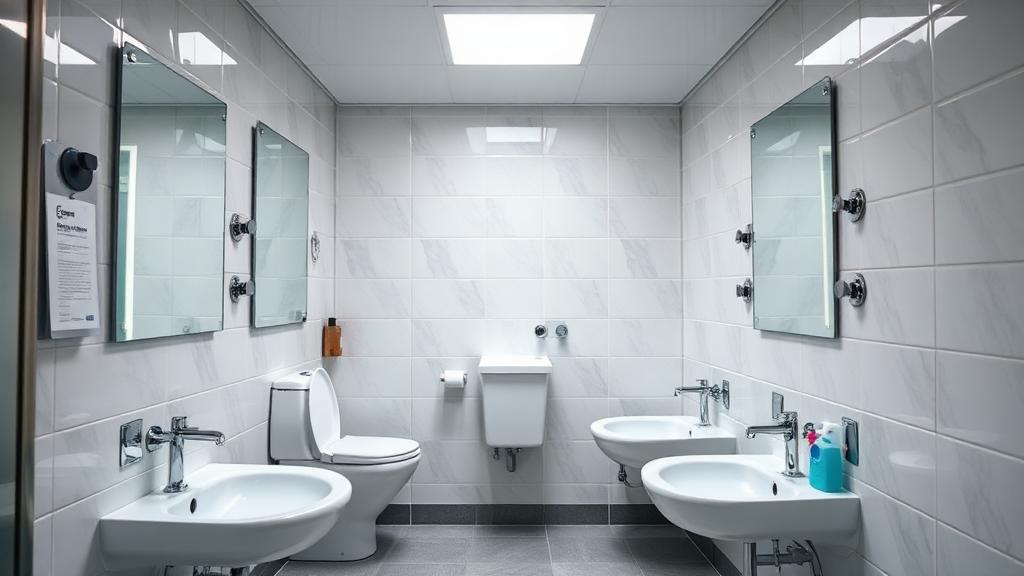
- Fixture and Surface Disinfection: Comprehensive treatment of toilets, sinks, and countertops
- Floor and Wall Treatment: Complete surface disinfection including grout and tile surfaces
- Dispensers and Hardware: Soap dispensers, paper towel holders, and bathroom fixtures
- Ventilation System Treatment: Enhanced air handling preventing airborne pathogen transmission
- Supply and Storage Areas: Cleaning supply storage and personal hygiene product areas
Food Service and Kitchen Areas
Specialized protocols for food preparation and eating spaces:
- Food Contact Surfaces: FDA-approved disinfectants for surfaces contacting food
- Equipment and Appliance Treatment: Comprehensive disinfection of food service equipment
- Eating Area Disinfection: Tables, chairs, and seating areas where employees consume food
- Storage Area Treatment: Food storage areas and inventory management spaces
- Waste Management Areas: Enhanced protocols for food waste and disposal areas
Frequency and Scheduling Considerations
Daily Disinfection Protocols
Regular disinfection activities supporting ongoing pathogen control:
- High-Touch Surface Treatment: Multiple daily disinfection of frequently contacted surfaces
- Restroom Disinfection: Enhanced bathroom protocols with increased frequency during high-risk periods
- Entry Point Focus: Intensive disinfection of building entrances and reception areas
- Common Area Treatment: Regular disinfection of break rooms, conference rooms, and shared spaces
- Workstation Maintenance: Daily disinfection of individual workstations and personal areas
Weekly Comprehensive Treatment
Intensive weekly protocols addressing accumulated contamination:
- Complete Facility Coverage: Systematic disinfection of all areas including low-traffic spaces
- Deep Equipment Treatment: Comprehensive disinfection of shared equipment and technology
- Air System Enhancement: Weekly HVAC system treatment and enhanced air quality protocols
- Storage and Supply Area Focus: Disinfection of storage areas, supply closets, and maintenance spaces
- Quality Assurance Testing: Weekly validation testing confirming disinfection effectiveness
Outbreak Response Protocols
Enhanced disinfection procedures during illness outbreaks or health emergencies:
- Rapid Response Deployment: Immediate enhanced disinfection following confirmed illness cases
- Isolation Area Treatment: Specialized protocols for areas used by ill individuals
- Increased Frequency: Daily or multiple daily disinfection during outbreak periods
- Extended Coverage: Treatment of additional areas potentially affected by outbreak transmission
- Medical-Grade Protocols: Hospital-level disinfection standards during severe health emergencies
Seasonal and Event-Based Scheduling
Adaptive disinfection schedules addressing varying risk levels and facility usage:
- Cold and Flu Season Enhancement: Increased frequency during peak illness seasons
- Special Event Preparation: Pre-event disinfection ensuring optimal health conditions for important gatherings
- Post-Event Treatment: Enhanced cleaning following high-attendance events or meetings
- Holiday and Travel Season Protocols: Increased attention during periods of higher transmission risk
- Construction and Renovation Coordination: Enhanced protocols during facility modifications affecting air quality
Health Benefits and Risk Reduction
Employee Health Protection
Direct health benefits from comprehensive office disinfection programs:
- Reduced Illness Transmission: Decreased spread of contagious diseases among employees
- Lower Absenteeism Rates: Fewer sick days due to workplace-acquired illnesses
- Respiratory Health Improvement: Better indoor air quality supporting lung health
- Allergy and Asthma Relief: Reduced allergens and irritants improving respiratory conditions
- Immune System Support: Cleaner environments supporting natural immune function
Productivity and Performance Benefits
Business advantages from healthier work environments:
- Decreased Sick Days: Reduced illness-related absenteeism improving productivity and operational continuity
- Enhanced Focus: Healthier environments supporting concentration and cognitive performance
- Improved Morale: Employee confidence and satisfaction from visible health protection measures
- Reduced Healthcare Costs: Lower health insurance claims and medical expenses
- Better Recruitment and Retention: Health-conscious policies attracting and retaining quality employees
Liability and Risk Management
Legal and financial protection through comprehensive disinfection programs:
- Regulatory Compliance: Meeting health department and OSHA requirements for workplace safety
- Reduced Legal Exposure: Demonstrating due diligence in employee health protection
- Insurance Benefits: Potential reductions in workers' compensation and liability premiums
- Business Continuity: Maintaining operations during health emergencies and outbreaks
- Reputation Protection: Professional health measures supporting business reputation and client confidence
Vulnerable Population Protection
Special considerations for protecting high-risk individuals:
- Immunocompromised Employee Protection: Enhanced protocols protecting employees with compromised immune systems
- Age-Related Risk Management: Special attention to protecting older employees and visitors
- Chronic Condition Accommodation: Enhanced cleaning supporting employees with respiratory and cardiovascular conditions
- Pregnancy Safety: Safe disinfection protocols protecting pregnant employees and visitors
- Medical Condition Support: Specialized cleaning accommodating employees with specific health needs
Implementation and Quality Assurance
Professional Service Selection
Criteria for choosing qualified disinfection service providers:
- EPA Certification and Training: Verified training in proper disinfectant application and safety protocols
- Insurance and Bonding: Comprehensive coverage protecting against accidents and property damage
- Equipment and Technology: Modern application equipment and proven disinfection technologies
- Safety Protocol Compliance: Adherence to OSHA and EPA safety standards for chemical handling
- Quality Assurance Systems: Systematic monitoring and validation of disinfection effectiveness
Staff Training and Education
Comprehensive education supporting effective disinfection program implementation:
- Employee Awareness: Education on disinfection benefits and proper cooperation with protocols
- Personal Hygiene Training: Employee education on handwashing, sanitizing, and illness prevention
- Protocol Understanding: Clear communication of disinfection schedules and facility procedures
- Emergency Response: Training on procedures during illness outbreaks and health emergencies
- Feedback and Communication: Systems for employee input and concern reporting
Monitoring and Validation
Systematic approaches ensuring disinfection program effectiveness:
- ATP Testing: Scientific measurement of surface cleanliness and disinfection effectiveness
- Microbial Sampling: Laboratory testing confirming pathogen elimination and surface safety
- Air Quality Monitoring: Measurement of airborne pathogen levels and indoor air quality
- Visual Inspection: Regular facility assessment ensuring consistent disinfection coverage
- Performance Documentation: Comprehensive records supporting quality assurance and compliance
Technology Integration and Innovation
Modern systems supporting optimal disinfection program management:
- Digital Monitoring: Real-time tracking of disinfection activities and coverage verification
- Automated Systems: Technology-assisted disinfection scheduling and application
- Performance Analytics: Data analysis optimizing disinfection frequency and methods
- Communication Platforms: Digital systems coordinating disinfection activities and reporting
- Innovation Adoption: Regular evaluation and implementation of advancing disinfection technologies
Cost Considerations and Return on Investment
Investment Analysis
Understanding the financial aspects of professional office disinfection:
- Service Cost Structure: Comprehensive analysis of disinfection service pricing and frequency options
- Equipment and Supply Costs: Investment in disinfection equipment versus professional service contracts
- Labor and Training Expenses: Internal staff training costs versus professional service provider expertise
- Insurance and Liability Considerations: Risk transfer benefits and insurance implications of professional services
- Long-term Financial Planning: Budget planning for ongoing disinfection program maintenance and optimization
Cost-Benefit Analysis
Measuring return on investment from comprehensive disinfection programs:
- Healthcare Cost Reduction: Savings from reduced employee illness and health insurance claims
- Productivity Gains: Financial value of decreased absenteeism and improved employee performance
- Liability Risk Reduction: Cost avoidance through reduced legal exposure and workers' compensation claims
- Business Continuity Value: Financial protection from maintaining operations during health emergencies
- Reputation and Competitive Advantage: Business development benefits from demonstrated health commitment
Budget Optimization Strategies
Maximizing disinfection program value while managing costs:
- Risk-Based Scheduling: Optimizing frequency based on actual transmission risk rather than arbitrary schedules
- Technology Efficiency: Utilizing advanced application methods reducing labor costs and improving effectiveness
- Contract Optimization: Negotiating service agreements balancing cost control with quality assurance
- Performance Measurement: Monitoring program effectiveness ensuring optimal resource allocation
- Preventive Focus: Emphasizing prevention over reactive treatment for long-term cost control
Future Trends and Innovations
Emerging Technologies
Advanced disinfection technologies and methods on the horizon:
- Photocatalytic Oxidation: Advanced oxidation processes providing continuous surface disinfection
- Plasma Technology: Cold plasma systems offering chemical-free pathogen elimination
- Antimicrobial Surfaces: Self-disinfecting materials and coatings reducing ongoing maintenance needs
- AI-Powered Systems: Artificial intelligence optimizing disinfection schedules and resource allocation
- Nanotechnology Applications: Molecular-level treatments providing enhanced pathogen elimination
Regulatory Evolution
Anticipated changes in disinfection standards and requirements:
- Enhanced Safety Standards: Stricter requirements for workplace pathogen control and employee protection
- Environmental Regulations: Evolving standards for disinfectant environmental impact and disposal
- Industry-Specific Guidelines: Specialized requirements for different business types and facility uses
- Technology Approval Processes: Streamlined approval for innovative disinfection technologies and methods
- Global Standards Harmonization: International coordination of disinfection standards and best practices
Market Development
Industry trends affecting disinfection service availability and adoption:
- Service Integration: Comprehensive facility maintenance including cleaning, disinfection, and air quality management
- Technology Accessibility: Reduced costs and increased availability of advanced disinfection technologies
- Specialization Growth: Development of industry-specific disinfection expertise and services
- Quality Standardization: Industry-wide adoption of standardized quality measures and reporting
- Sustainability Focus: Integration of environmental responsibility with pathogen control objectives
Conclusion
Professional office disinfection services represent essential workplace health protection that extends far beyond traditional cleaning to actively eliminate pathogens and reduce disease transmission risks. Modern disinfection technologies and protocols provide comprehensive protection while supporting business continuity and employee wellbeing.
The investment in professional disinfection delivers measurable returns through reduced healthcare costs, improved productivity, and enhanced business reputation while protecting against liability risks and operational disruptions. Success requires selecting qualified service providers, implementing appropriate protocols, and maintaining consistent quality standards.
As awareness of infectious disease transmission continues growing and workplace health expectations evolve, comprehensive disinfection programs become increasingly important for business success. Organizations that prioritize professional disinfection demonstrate commitment to employee safety while positioning themselves for operational resilience and competitive advantage.
The future of workplace health includes sophisticated disinfection protocols as standard practice rather than emergency response. By implementing comprehensive disinfection programs today, businesses invest in employee health, operational continuity, and long-term success while contributing to broader public health objectives and community safety.