The Best Cleaning Practices for Restaurants and Food Facilities
Restaurant and food facility cleaning represents one of the most demanding and critical applications in commercial cleaning, where public health, regulatory compliance, and business survival depend on systematic approaches to pathogen elimination, contamination prevention, and comprehensive sanitation that goes far beyond basic cleaning to encompass food safety and regulatory excellence.
Food Safety and Regulatory Framework
FDA Food Code Compliance Requirements
Critical Control Point Management: Professional restaurant cleaning must integrate with Hazard Analysis and Critical Control Points (HACCP) systems, providing systematic approaches to contamination prevention:
Temperature Control Support:
- Refrigeration unit cleaning: Daily maintenance ensuring optimal cooling performance and food safety
- Freezer defrosting and sanitization: Regular cleaning preventing ice buildup and temperature fluctuations
- Hot holding equipment: Cleaning maintaining proper food temperatures and preventing bacterial growth
- Thermometer calibration areas: Clean, accessible temperature monitoring supporting accurate readings
Cross-Contamination Prevention:
- Color-coded cleaning systems: Separate equipment for raw meat, produce, and ready-to-eat food areas
- Tool sanitization protocols: Systematic cleaning and disinfection of cutting boards, knives, and preparation equipment
- Hand washing station maintenance: Comprehensive cleaning supporting proper hygiene compliance
- Floor drainage cleaning: Specialized attention preventing backup and contamination spread
State Health Department Requirements
New Jersey Department of Health Food Service Regulations: Commercial food facilities must maintain cleaning standards supporting health department inspections and licensing:
Daily Cleaning Documentation:
- Temperature logs: Clean, accessible record-keeping areas supporting regulatory compliance
- Cleaning verification: Signed checklists documenting completion of required sanitation tasks
- Chemical concentration testing: Regular verification of sanitizer strength and effectiveness
- Pest control coordination: Integrated cleaning supporting comprehensive pest management programs
Inspection Readiness:
- Critical violation prevention: Systematic cleaning addressing common citation areas
- Documentation systems: Organized record keeping demonstrating ongoing compliance efforts
- Staff training verification: Clean training areas and accessible certification records
- Emergency response: Rapid cleanup capabilities for contamination events and spills
Local Municipal Health Codes
County and Municipal Requirements: Local health departments often impose additional requirements beyond state and federal regulations:
Waste Management Compliance:
- Grease trap cleaning: Regular maintenance preventing overflow and environmental violations
- Dumpster area sanitization: Clean refuse areas preventing pest attraction and odor complaints
- Recycling program support: Organized systems supporting municipal recycling requirements
- Hazardous waste handling: Proper disposal of cleaning chemicals and cooking oils
Kitchen and Food Preparation Area Protocols
Daily Kitchen Cleaning (4-8 hours depending on facility size)
Pre-Service Preparation (2-3 hours): Professional kitchen cleaning begins before food preparation, ensuring safe, sanitary work environments:
Equipment Startup Cleaning:
- Griddle and grill sanitization: Complete cleaning and seasoning of cooking surfaces
- Fryer oil management: Fresh oil installation and equipment cleaning for optimal food quality
- Prep table sanitization: Thorough cleaning and sanitizing of food preparation surfaces
- Slicer and equipment cleaning: Disassembly, cleaning, and sanitization of food processing equipment
Ingredient Storage Area Maintenance:
- Walk-in cooler cleaning: Daily floor cleaning, shelf sanitization, and temperature monitoring area maintenance
- Dry storage organization: Cleaning and organizing ingredient storage areas preventing contamination
- First-in-first-out rotation support: Clean storage systems supporting proper food rotation
- Spill cleanup: Immediate response to ingredient spills preventing pest attraction and contamination
Mid-Service Maintenance (Ongoing throughout service)
Real-Time Sanitation: Restaurant operations require continuous cleaning during service hours, maintaining food safety while supporting efficient operations:
Hot Line Maintenance:
- Steam table cleaning: Continuous cleaning preventing food buildup and maintaining proper temperatures
- Plate warmer sanitization: Regular cleaning ensuring food safety and presentation quality
- Sauce container cleaning: Fresh containers and ladle sanitization preventing cross-contamination
- Work surface cleaning: Constant sanitization of cutting boards and preparation areas
Dishwashing Area Support:
- Dish machine maintenance: Regular cleaning and chemical monitoring ensuring proper sanitization
- Pre-rinse area cleaning: Continuous cleaning preventing food debris accumulation
- Clean dish storage: Sanitized storage areas protecting clean dishes from contamination
- Waste removal: Regular trash and recycling removal preventing overflow and pest attraction
Post-Service Deep Cleaning (3-5 hours)
Comprehensive Equipment Cleaning: After-service cleaning involves complete equipment breakdown, cleaning, and sanitization:
Cooking Equipment Deep Cleaning:
- Oven cleaning: Interior and exterior cleaning removing grease and food debris
- Range hood and ventilation: Comprehensive cleaning preventing grease buildup and fire hazards
- Mixer and processor cleaning: Complete disassembly and sanitization of food processing equipment
- Griddle and grill deep cleaning: Thorough cleaning and re-seasoning for next day preparation
Floor and Drain Maintenance:
- Kitchen floor cleaning: Comprehensive mopping and sanitization addressing grease and food debris
- Drain cleaning: Regular maintenance preventing clogs and eliminating odor sources
- Mat cleaning: Sanitization of anti-fatigue and slip-resistant matting
- Wall and baseboard cleaning: Comprehensive cleaning preventing grease accumulation and pest harborage
Dining Room and Front-of-House Cleaning
Guest Area Maintenance (2-4 hours daily)
Pre-Service Preparation: Dining areas require systematic cleaning ensuring pleasant environments and supporting positive customer experiences:
Table and Seating Cleaning:
- Table sanitization: Complete cleaning and disinfection of dining surfaces
- Chair and booth cleaning: Upholstery cleaning and sanitization addressing spills and wear
- Condiment station maintenance: Daily cleaning and restocking of self-service areas
- Menu and promotional material cleaning: Sanitization of reusable menus and table displays
Floor and Traffic Area Care:
- Entry area cleaning: Comprehensive cleaning of high-traffic areas and entrance zones
- Dining floor maintenance: Systematic cleaning addressing spills, crumbs, and foot traffic
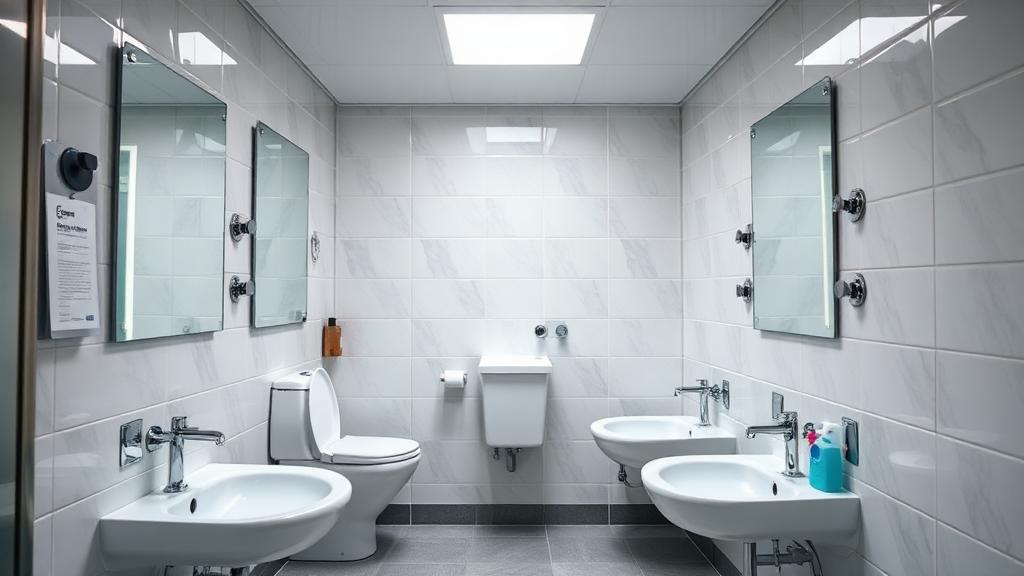
- Restroom cleaning: Enhanced protocols for customer facilities requiring superior presentation
- Waiting area maintenance: Comfortable, clean areas supporting positive customer experience
Between-Service Cleaning (30-60 minutes between seatings)
Rapid Turnaround Protocols: High-volume restaurants require efficient cleaning between customer seatings, maintaining sanitation while supporting operational efficiency:
Table Reset Procedures:
- Surface sanitization: Quick but thorough cleaning and disinfection of dining surfaces
- Chair inspection: Cleaning and positioning ensuring comfort and cleanliness
- Floor spot cleaning: Immediate attention to spills and debris around seating areas
- Ambient cleaning: Light fixture dusting and general appearance maintenance
Customer Facility Maintenance:
- Restroom inspection: Regular cleaning and supply replenishment throughout service
- Hand washing station maintenance: Soap and towel replenishment supporting customer hygiene
- Trash removal: Regular waste removal preventing overflow and maintaining appearance
- Air quality management: Ventilation and odor control supporting pleasant dining environment
Specialized Food Service Area Cleaning
Bar and Beverage Service Areas (2-3 hours daily)
Alcohol Service Area Sanitation: Bar areas require specialized cleaning addressing sticky spills, glassware sanitization, and equipment maintenance:
Equipment and Glassware Cleaning:
- Glass washing systems: Three-compartment sink maintenance and glass sanitization protocols
- Beer tap cleaning: Regular line cleaning preventing contamination and maintaining beer quality
- Ice machine maintenance: Daily cleaning and sanitization preventing bacterial growth
- Blender and mixer cleaning: Complete disassembly and sanitization of beverage preparation equipment
Bar Surface and Storage Cleaning:
- Bar top sanitization: Complete cleaning addressing sticky spills and alcohol residue
- Bottle storage cleaning: Shelf cleaning and bottle organization supporting inventory management
- Speed rail cleaning: Daily sanitization of frequently used liquor and mixer storage
- Cash register area: Clean transaction areas supporting customer interaction and staff efficiency
Bakery and Pastry Areas (3-4 hours daily)
Specialized Baking Environment Cleaning: Bakery areas require unique cleaning approaches addressing flour dust, sugar residue, and specialized equipment:
Equipment-Specific Cleaning:
- Mixer cleaning: Complete disassembly and cleaning of dough and batter mixing equipment
- Oven maintenance: Interior cleaning addressing flour and sugar buildup
- Proof box cleaning: Sanitization of rising chambers maintaining optimal conditions for bread production
- Cooling rack cleaning: Wire rack sanitization supporting proper bread cooling and storage
Flour and Ingredient Management:
- Dust control: Specialized cleaning addressing flour and ingredient dust throughout work areas
- Ingredient storage: Clean, organized storage supporting proper ingredient rotation and quality
- Scale and measuring area: Precise cleaning of measuring equipment ensuring accurate ingredient proportioning
- Packaging area cleaning: Sanitization of finished product packaging and storage areas
Catering and Banquet Facilities (4-6 hours per event)
Large-Scale Event Cleaning: Catering operations require scalable cleaning protocols supporting varying event sizes and requirements:
Pre-Event Setup Cleaning:
- Banquet hall preparation: Complete cleaning and setup supporting event requirements
- Serving equipment sanitization: Chafing dishes, serving utensils, and presentation equipment cleaning
- Table and chair setup: Clean setup supporting event specifications and guest comfort
- Kitchen scaling: Enhanced cleaning supporting increased production volume
Post-Event Breakdown:
- Equipment breakdown and cleaning: Complete disassembly and sanitization of serving equipment
- Floor restoration: Comprehensive cleaning addressing event-related wear and spills
- Storage area organization: Clean storage and inventory management supporting future events
- Waste management: Efficient removal and disposal of event-related waste and recycling
Advanced Sanitation and Food Safety Technologies
Chemical Sanitization Systems
Automated Chemical Dispensing: Modern food facilities utilize advanced chemical systems ensuring consistent sanitization while reducing human error:
Quaternary Ammonium Systems:
- Automatic dilution: Precise chemical concentration ensuring effective sanitization
- Multi-surface compatibility: Safe use on food contact surfaces and equipment
- Rinse-free application: Efficient sanitization without additional water usage
- Cost optimization: Controlled usage reducing chemical waste and expense
Chlorine-Based Sanitizers:
- Rapid pathogen kill: Fast-acting formulations supporting high-volume operations
- Broad-spectrum efficacy: Effective against bacteria, viruses, and other pathogens
- Temperature stability: Consistent performance across varying kitchen temperatures
- Easy monitoring: Simple test strips ensuring proper concentration maintenance
Electrolyzed Water Technology
On-Site Sanitizer Generation: Advanced facilities utilize electrolyzed water systems generating effective sanitizers from salt water:
Hypochlorous Acid Production:
- Natural pathogen elimination: Effective sanitization using body-safe chemistry
- Equipment compatibility: Safe use on all food contact surfaces and equipment
- Cost effectiveness: On-site production eliminating chemical purchasing and storage
- Environmental safety: Biodegradable sanitization with minimal environmental impact
UV-C Light Disinfection
Germicidal Light Applications: Ultraviolet technology provides chemical-free sanitization supporting food safety objectives:
Air Purification Systems:
- Kitchen air treatment: Continuous air disinfection reducing airborne contamination
- HVAC integration: System-wide air treatment supporting facility-wide food safety
- Dining area air quality: Improved air quality supporting customer comfort and safety
- Chemical-free operation: Sanitization without chemical residue or food contamination risk
Surface Disinfection:
- Equipment sanitization: UV treatment of food contact surfaces between uses
- Cutting board disinfection: Chemical-free sanitization of food preparation surfaces
- Utensil treatment: Rapid sanitization of knives, spatulas, and serving implements
- Storage area treatment: Disinfection of clean dish and equipment storage areas
Pest Control Integration and Prevention
Integrated Pest Management Support
Cleaning-Based Pest Prevention: Professional restaurant cleaning provides essential support for comprehensive pest management programs:
Food Source Elimination:
- Crumb and debris removal: Systematic cleaning eliminating food sources attracting pests
- Grease management: Comprehensive cleaning preventing grease accumulation attracting insects and rodents
- Spill response: Immediate cleanup preventing sticky residues and food attraction
- Storage area maintenance: Clean, organized storage reducing pest harborage opportunities
Moisture Control:
- Drain maintenance: Regular cleaning and treatment preventing moisture accumulation
- Leak identification: Regular inspection identifying and reporting plumbing issues
- Humidity control: Cleaning supporting ventilation systems and moisture management
- Condensation management: Cleaning and maintenance reducing water sources for pests
Exclusion and Monitoring Support
Physical Barrier Maintenance: Cleaning programs support pest exclusion through systematic maintenance and monitoring:
Entry Point Management:
- Door seal cleaning: Regular cleaning ensuring proper seal function and pest exclusion
- Window maintenance: Clean, functional windows supporting facility security
- Drain cover cleaning: Proper maintenance preventing pest entry through plumbing systems
- Ventilation screen cleaning: Clean screens preventing flying insect infiltration
Monitoring Program Support:
- Trap area maintenance: Clean areas around pest monitoring devices ensuring effectiveness
- Inspection accessibility: Clear access for pest control professional inspections
- Documentation support: Clean record keeping areas supporting monitoring and treatment logs
- Communication coordination: Regular interaction with pest control professionals reporting observations
Quality Assurance and Food Safety Verification
HACCP Integration and Support
Critical Control Point Cleaning: Restaurant cleaning must integrate with food safety systems, supporting critical control point management:
Temperature Monitoring Support:
- Thermometer maintenance: Clean, calibrated temperature monitoring equipment
- Cold storage cleaning: Systematic cleaning supporting proper food storage temperatures
- Hot holding maintenance: Equipment cleaning ensuring proper food holding temperatures
- Cooking surface care: Clean surfaces supporting accurate temperature achievement
Documentation and Record Keeping:
- Clean record areas: Organized spaces supporting food safety documentation requirements
- Training area maintenance: Clean spaces for staff food safety education
- Inspection preparation: Systematic organization supporting health department inspections
- Corrective action support: Cleaning protocols addressing food safety deviations
Third-Party Auditing Support
Certification and Compliance Assistance: Professional cleaning supports various third-party food safety auditing programs:
SQF (Safe Quality Food) Support:
- System documentation: Clean, organized documentation supporting certification maintenance
- Staff competency demonstration: Training areas and materials supporting auditor review
- Facility tour preparation: Systematic cleaning ensuring positive auditor impressions
- Continuous improvement: Cleaning program enhancement supporting certification advancement
BRC (British Retail Consortium) Compliance:
- Hygiene standard maintenance: Cleaning protocols meeting international food safety standards
- Infrastructure support: Facility maintenance supporting structural hygiene requirements
- Pest control integration: Cleaning coordination with pest management supporting audit requirements
- Training and competency: Staff development supporting food safety culture demonstration
Cost Management and Operational Efficiency
Labor Optimization and Scheduling
Efficient Cleaning Operations: Restaurant cleaning requires careful coordination with food service operations, optimizing labor while maintaining food safety:
Shift Coordination:
- Pre-service cleaning: Efficient protocols preparing facilities without disrupting food preparation
- During-service maintenance: Minimal disruption cleaning supporting ongoing operations
- Post-service deep cleaning: Intensive cleaning maximizing downtime utilization
- Emergency response: Rapid cleanup capabilities for spills and contamination events
Staff Cross-Training:
- Multi-task competency: Food service staff trained in cleaning protocols supporting efficiency
- Cleaning staff food safety: Professional cleaners trained in food safety requirements
- Emergency procedures: All staff competent in spill cleanup and contamination response
- Quality standards: Consistent expectations across all staff supporting facility standards
Supply Chain Management and Cost Control
Efficient Resource Utilization: Professional restaurant cleaning optimizes supply usage while maintaining superior results:
Chemical Management:
- Bulk purchasing: Economies of scale reducing per-unit chemical costs
- Inventory optimization: Efficient stock management reducing waste and storage requirements
- Product training: Proper use techniques maximizing product effectiveness and efficiency
- Usage monitoring: Consumption tracking identifying optimization opportunities
Equipment Efficiency:
- Maintenance programs: Regular service extending equipment life and performance
- Energy optimization: Efficient equipment selection and operation reducing utility costs
- Multi-purpose tools: Versatile equipment reducing capital investment requirements
- Replacement planning: Strategic equipment replacement optimizing performance and cost
ROI Analysis and Value Demonstration
Investment Justification: Professional restaurant cleaning provides measurable returns supporting business success:
Direct Cost Avoidance:
- Health department citations: Proactive cleaning preventing violations and fines
- Food safety incidents: Comprehensive sanitation preventing contamination and recalls
- Equipment replacement: Proper maintenance extending equipment life and performance
- Insurance claims: Risk reduction supporting lower liability and property insurance costs
Revenue Protection and Enhancement:
- Customer satisfaction: Clean facilities supporting positive dining experiences and repeat business
- Reputation management: Consistent cleanliness supporting online reviews and word-of-mouth marketing
- Staff productivity: Clean, organized work environments supporting efficient food service operations
- Regulatory compliance: Maintained licenses and certifications supporting continuous operation
Conclusion: Excellence in Food Service Facility Management
Professional restaurant and food facility cleaning represents essential infrastructure for food safety, regulatory compliance, and business success in the competitive food service industry. The combination of specialized knowledge, systematic protocols, and advanced technology provides measurable value through risk mitigation, operational efficiency, and customer satisfaction.
Success in food service facility management requires understanding the unique requirements of food safety regulations, implementing comprehensive cleaning protocols that support HACCP systems, and maintaining consistency through professional expertise and systematic approaches. Investment in professional cleaning services provides essential protection for public health while supporting business sustainability and growth.
The future of food service facility management lies in integrated approaches that combine cleaning excellence with food safety systems, technology optimization, and operational efficiency. Restaurants and food facilities that prioritize professional cleaning services position themselves for success in markets where food safety, customer satisfaction, and regulatory compliance are fundamental to long-term viability and competitive advantage.
Professional cleaning services provide the specialized expertise, systematic approaches, and quality assurance necessary for superior food service facility management, ensuring that restaurants and food facilities meet the highest standards of cleanliness, safety, and operational excellence while protecting public health and supporting business success.